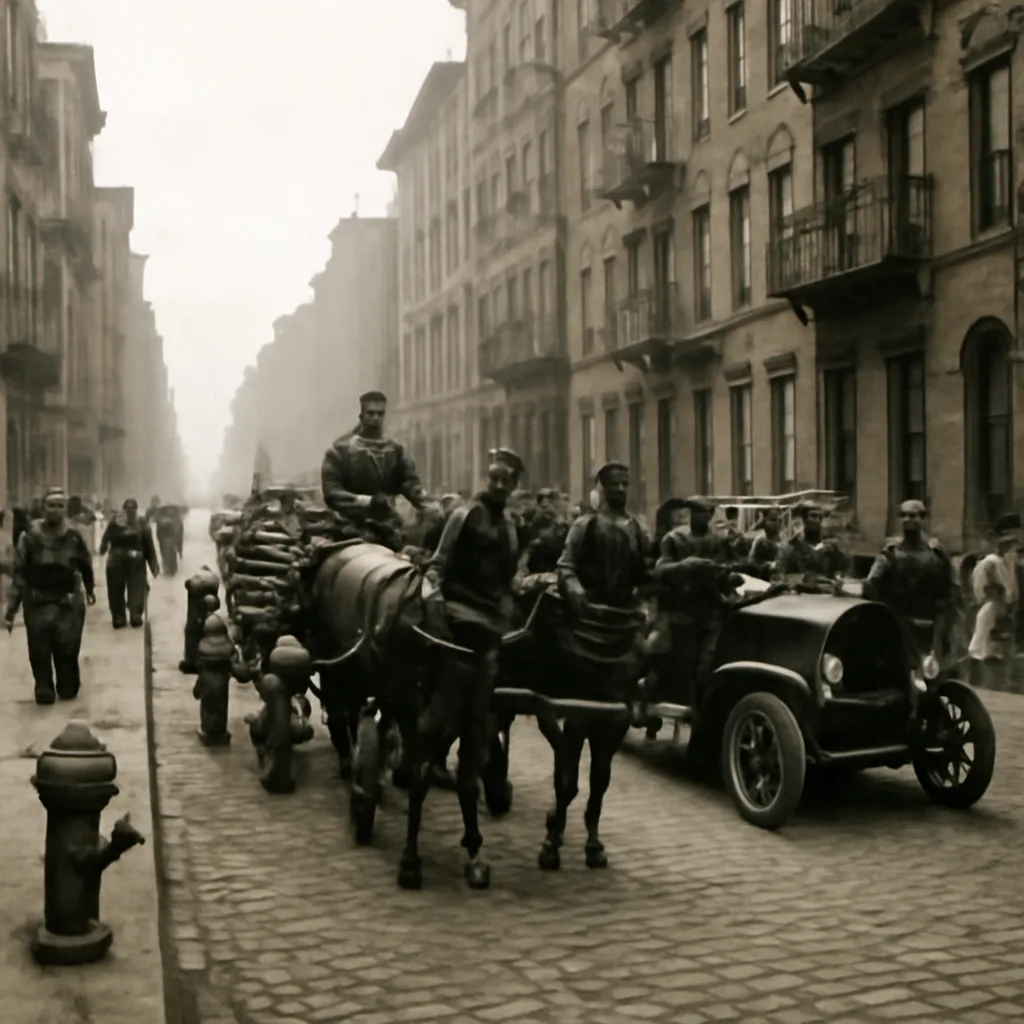
Cities Begin Adopting Modern Fire Safety Codes in the Early 1900s
In the early 20th century, growing urban populations and high-profile conflagrations prompted many U.S. and European cities to adopt systematic, technically grounded fire safety codes—standardizing building materials, egress, and firefighting infrastructure.
By the opening decades of the 20th century, rapid urban growth, denser housing, and the industrialization of cities created renewed urgency around preventing and controlling urban fires. Major conflagrations in the 19th century—such as London’s Great Fire of 1666 and later catastrophic urban fires in the U.S. and Europe—had already influenced thinking about fire risk, but a more systematic, technically informed approach to prevention and regulation became widespread only around the turn of the century.
Several factors converged to produce the first modern municipal fire codes. Advances in building technology (steel framing, elevators, electrical power) changed both the causes and consequences of fires. At the same time, professionalization within firefighting—organized paid fire brigades, standardized equipment, and engineering-based training—made enforcement and technical standards more feasible. Public health and safety reforms, municipal planning movements, and the rise of insurance industry influence also encouraged cities to adopt standardized rules that could reduce losses and stabilize insurance costs.
Modern fire codes moved beyond local, piecemeal ordinances to codified requirements addressing building construction, means of egress, fireproofing of structural elements, interior finishes, fire doors and shutters, compartmentation, automatic fire detection and alarm systems (early electrical alarms), and water-supply and hydrant standards. Codes also began to specify occupancy classifications and limit combustible materials in particular uses—workplaces, theaters, boarding houses and factories—reflecting lessons from deadly fires such as the 1871 Peshtigo Fire, the 1871 Chicago Fire, and later, highly publicized disasters that exposed regulatory gaps.
In the United States, the late 19th and early 20th centuries saw increasing adoption of model codes produced by trade and professional bodies. Organizations such as the National Fire Protection Association (NFPA), founded in 1896, developed standards and model codes that municipalities could adapt. Insurance industry bodies, including fire-underwriting associations, also promulgated requirements tied to underwriting practices. Local governments adopted these model provisions in varying forms and timelines, producing a patchwork of regulations whose content and enforcement capacity differed by city and state.
European cities followed parallel paths, though their timetables and emphases varied with local building traditions, legal systems, and municipal capabilities. In many places, municipal building inspectors and fire brigades took on greater regulatory roles. Notable urban reforms—widening streets, regulating building heights and materials, and mandating firewalls and compartmentation—reflected both aesthetic planning concerns and fire-safety aims.
Implementation challenges were substantial. Many older buildings remained in use and were costly to retrofit; enforcement required trained inspectors and political will; and small municipalities often lacked resources. The process of updating codes therefore tended to be incremental: new construction and major renovations were brought under stricter rules first, while existing stock was regulated through inspections, licensing, or targeted retrofitting following incidents.
The shift toward codified, technical fire safety regulations had enduring effects. Standardized codes improved coordination between builders, inspectors, and firefighters; they informed architectural and engineering education; and they provided frameworks for technological innovations—automatic sprinklers, electrically powered alarm systems, and later, smoke-control design. Over subsequent decades, national and international standardization increased, but the foundational steps taken in the early 20th century set the modern expectation that municipalities regulate building fire safety comprehensively.
While the broad trend is well documented, details—such as the precise year any given city adopted a particular provision—varied widely. Historical research into municipal ordinances, fire department records, insurance company archives, and contemporary engineering journals is the best way to confirm specific dates or provisions for a particular city.