Children Accused: How Salem’s Witch Hysteria Reached the Young
In early March, accusations in the 1692–1693 Salem witch trials extended to children, with testimony from and against minors shaping arrests, examinations, and community fear. These allegations influenced prosecutions and reflected wider anxieties in the Massachusetts Bay Colony.
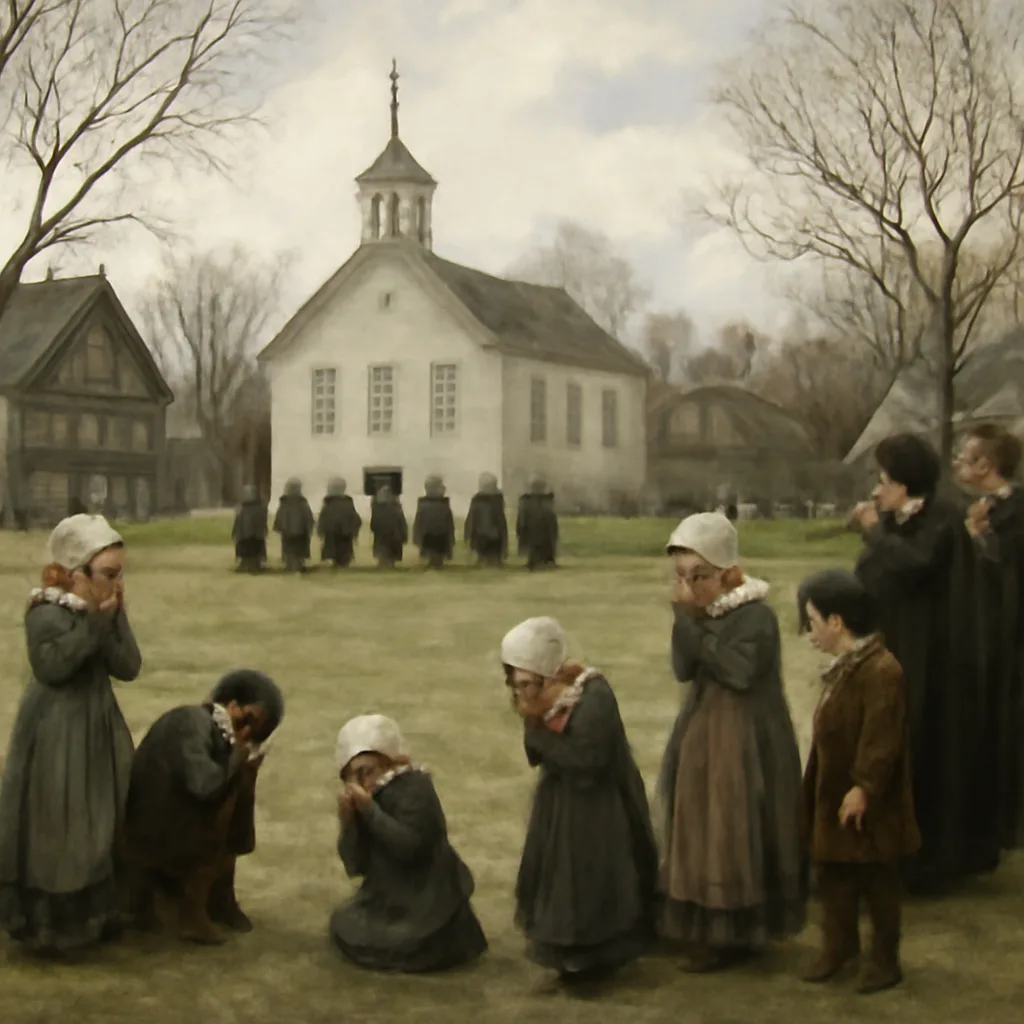
In the spring of 1692 the witchcraft accusations that erupted in Salem Village quickly spread beyond adult suspects to include children — both as accusers and as the accused. By March, examinations and depositions recorded the involvement of minors, whose testimonies and alleged bewitchments played a significant role in sustaining the epidemic of suspicion that gripped the Massachusetts Bay Colony.
Background and context
The Salem witch trials arose amid a complex mix of religious, social, economic, and familial tensions in a frontier community. Puritan ministers, magistrates, and laypeople shared a firm belief in the reality of diabolical witchcraft. Courts accepted spectral evidence — claims that a victim saw an apparition of a suspect — and placed heavy weight on fits, convulsions, and other signs interpreted as the work of the devil.
Children as accusers
Several of the primary accusers in Salem were young girls and adolescents whose fits and testimonies launched investigations. Their allegations often identified named neighbors and relatives as witches. The behavior of these children — sudden fits, shrieking, contortions, and claims of being tormented by specific individuals’ specters — was presented in examinations before magistrates and in court. Because of prevailing legal standards and religious beliefs, such testimony could be compelling to authorities and to the community.
Children as the accused
Children were also among those accused. In some cases, siblings or other children in a family were named after an adult suspect was accused; in others, a child’s actions, statements, or conflicts with peers led to suspicion. The involvement of children as both witnesses and defendants complicated proceedings: courts had to weigh the credibility of youthful testimony while also considering whether a child could be responsible for witchcraft. Historical records show that some children were formally charged, examined, or jailed, though prosecutions of minors were less common than those of adults.
Impact on families and community
When children were implicated, accusations could split families and intensify community fear. Parents faced wrenching choices: to defend their children and risk antagonizing neighbors, or to accept accusations against others. The participation of children lent an emotional intensity to hearings and helped sustain the momentum of accusations, since testimony from the young was often viewed as particularly compelling evidence of diabolical activity.
Legal and cultural responses
Authorities responded variously to the involvement of children. Some magistrates expressed caution about relying solely on spectral evidence and on the testimony of afflicted children. Over time, skepticism among some ministers and judges grew, particularly when accusations became widespread or implicated prominent community members. This shift in attitudes contributed to the eventual curtailment of prosecutions and, after the trials, to public remorse and restitution for some victims.
Historiographical notes
Scholars caution against simple explanations for why children figured prominently in the trials. Interpretations draw on factors such as psychological stress, social dynamics among youth, attention-seeking under extreme circumstances, genuine physical or mental illness, and the persuasive context of a community primed to see the devil’s work. Primary sources — court records, depositions, and contemporary sermons — document children's roles, but they do not allow definitive conclusions about the inner experiences or motivations of individual minors.
Legacy
The presence of children in Salem’s accusations remains a striking feature of the trials, highlighting how fear and religious conviction can draw even the youngest community members into legal and moral crises. The trials ultimately led to legal and cultural reflection in New England about evidentiary standards and the dangers of mass accusation, lessons that were shaped in part by the sight of children both suffering and implicated in the witchcraft panic.