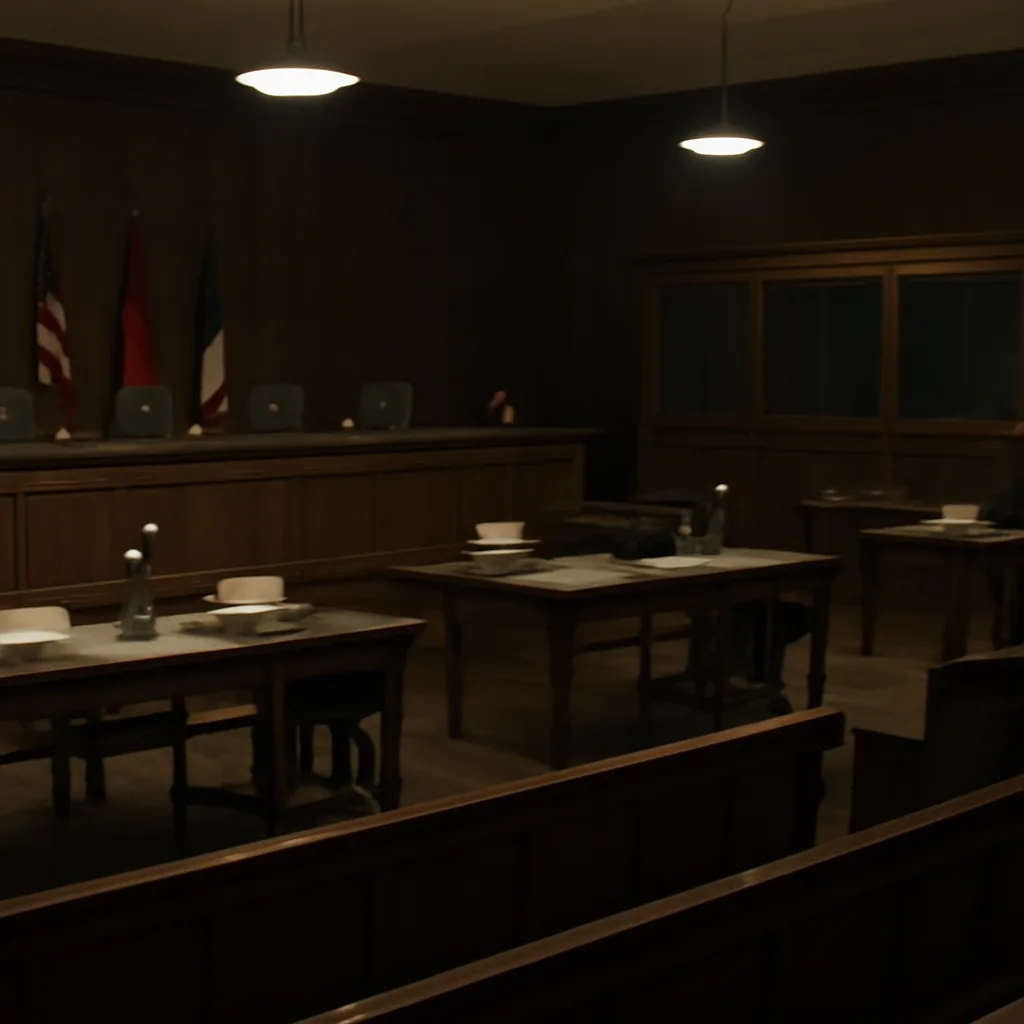
In the months after Japan’s surrender in August 1945, Allied authorities moved to prosecute those considered responsible for wartime atrocities, establishing tribunals to try Japanese political and military leaders. The process followed years of investigation, evidence collection, and diplomatic negotiation among the United States, the United Kingdom, the Soviet Union, China and other Allied powers about jurisdiction, legal procedures and the scope of charges. The most prominent of these proceedings took place under the International Military Tribunal for the Far East (IMTFE), commonly known as the Tokyo Trials, which began with preparatory work in late 1945 and formally opened in May 1946. The IMTFE tried prominent figures from Japan’s wartime government and military on charges that included waging aggressive war, crimes against peace, conventional war crimes, and crimes against humanity. Trials also occurred in other Allied zones and national courts, where lower-ranking officers and civilians faced charges for specific atrocities, such as the mistreatment of prisoners of war and abuses of occupied populations. The tribunals drew on evidence compiled by occupation authorities and Allied investigators: military documents, captured records, testimony from victims and witnesses, and confessions or statements from Japanese personnel. Defendants were entitled to counsel and were provided translation services; however, the tribunals’ procedures and legal doctrines—some derived from the Nuremberg trials in Europe—prompted debates about ex post facto law, victor’s justice and the application of international criminal concepts that had been in flux. The trials had several objectives. They sought to establish individual criminal responsibility for decisions and policies that led to aggression and atrocities; to create a historical record of wartime conduct; and to deter future violations of international law. The proceedings also interacted with broader occupation goals: the Allied occupation authorities, led by the United States under General Douglas MacArthur, balanced demands for accountability with political and reconstruction priorities, including demobilization, economic stabilization and the drafting of a new constitution for Japan. Outcomes varied. The IMTFE issued judgments in 1948, convicting multiple defendants and imposing sentences that ranged from death to imprisonment; several others were acquitted. National and military tribunals in various jurisdictions handled hundreds of additional cases, resulting in further convictions and sentences for crimes such as murder, torture, forced labor and sexual slavery. Over time, some sentences were commuted or reduced as political considerations shifted amid Cold War concerns and Japan’s reintegration into the international system. Historians and legal scholars continue to assess the trials’ legacy. Supporters argue the tribunals were a necessary step in articulating and enforcing norms against aggressive war and mass atrocities, establishing precedents for international criminal law. Critics point to procedural inconsistencies, the limited scope of charges related to colonial abuses and economic exploitation, and the selective prosecution of certain leaders while others escaped trial. The proceedings also left lasting scars in affected countries and contributed to complex postwar diplomatic relationships throughout East and Southeast Asia. The initiation of these war crimes trials represented a pivotal moment in 20th-century history: an attempt by victorious powers to apply legal accountability to state and military leaders for large-scale wartime conduct. The trials produced an extensive documentary record and legal arguments that influenced later developments in international criminal justice, even as debates about their fairness and completeness persisted.