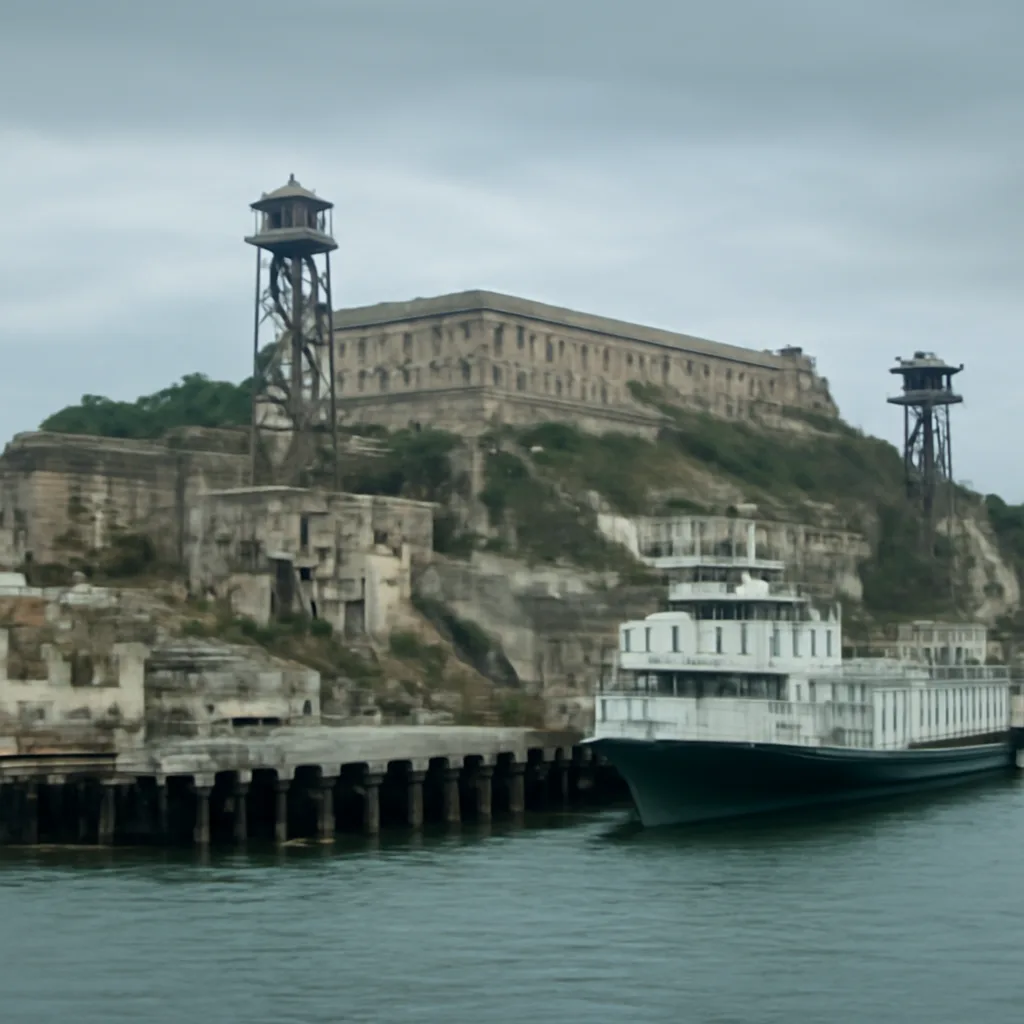
On June 21, federal authorities announced the closure of Alcatraz Federal Penitentiary, the high-security island prison that housed some of the nation's most notorious inmates. The Bureau of Prisons attributed the decision to escalating maintenance and operational expenses tied to the facility's unique location and aging infrastructure. Officials said the costs of transporting staff, supplies and prisoners to and from the island, along with extensive repairs to buildings exposed to saline air and harsh weather, had become unsupportable under current budgets. Opened as a federal penitentiary in 1934 on Alcatraz Island in San Francisco Bay, the facility was built into a preexisting military fortification and later adapted to house maximum-security federal inmates. Over its decades of operation, Alcatraz became known for its isolation, strict routines, and the difficulty of escape posed by cold, strong bay currents. Its slate of inmates included organized-crime figures and others judged too dangerous for standard federal prisons. The prison's operation required constant logistical support: ferrying personnel and supplies, maintaining secure transport of inmates, and continuous upkeep against corrosion and storm damage. By the time of the announced closure, the Bureau of Prisons and other federal agencies had repeatedly raised concerns about the prison's aging structures, many of which were constructed in the late 19th and early 20th centuries. Saltwater exposure had accelerated deterioration of masonry and metalwork; mechanical systems, including plumbing and electrical wiring, required frequent repairs; and the physical layout made comprehensive modernization difficult and costly. Officials provided budget estimates showing that renovating or fully modernizing the site to meet contemporary correctional standards would exceed projected funding, while continued operations under current conditions required growing emergency maintenance spending. The decision prompted immediate logistical planning for relocating inmates, staff reassignment, and transfer of institutional records and property. Inmates were scheduled for phased transfers to other federal facilities equipped for maximum-security populations; the Bureau emphasized that transfers would follow existing custody and security classifications to maintain safety and continuity of care. Union representatives and staff noted concerns about reassignment locations, commuting changes, and the loss of long-standing jobs tied to the island's operations. Local and federal stakeholders also began discussions about the island's post-closure future. Alcatraz Island is federally owned and managed by the National Park Service as part of the Golden Gate National Recreation Area; prior to closure, portions of the island had already been used for public visitation outside of active prison operations. Park Service officials indicated they would work with the Department of Justice and other agencies to assess rehabilitation needs, historic-preservation obligations, and public-access plans consistent with safety and budget constraints. Preservation advocates highlighted Alcatraz's historic significance and urged careful documentation and conservation of prison structures and artifacts. The closure revived public interest in Alcatraz's complex history: its military-era installations, decades as a federal penitentiary, and later role as a symbol in movements for Native American rights and historic preservation. Historians noted that while the prison's notoriety made it a cultural landmark, the practical realities of maintaining a maritime, century-old facility posed different priorities for federal resource allocation. Officials framed the move as a fiscally driven, operational decision rather than a reflection on the prison's historical or symbolic importance. The Bureau of Prisons said detailed timelines and notification procedures for staff and inmates would follow, and that interagency cooperation would guide the island's transition. Preservation groups and civic leaders said they would seek transparency in planning and advocate for measures to preserve Alcatraz's historic fabric while addressing safety and environmental concerns. As federal agencies began the formal closure process, stakeholders emphasized a balance between fiscal responsibility, public safety, and historic preservation. Given the scale of required repairs and the island's logistical challenges, officials maintained that closure was the most viable option within current budgetary limits.