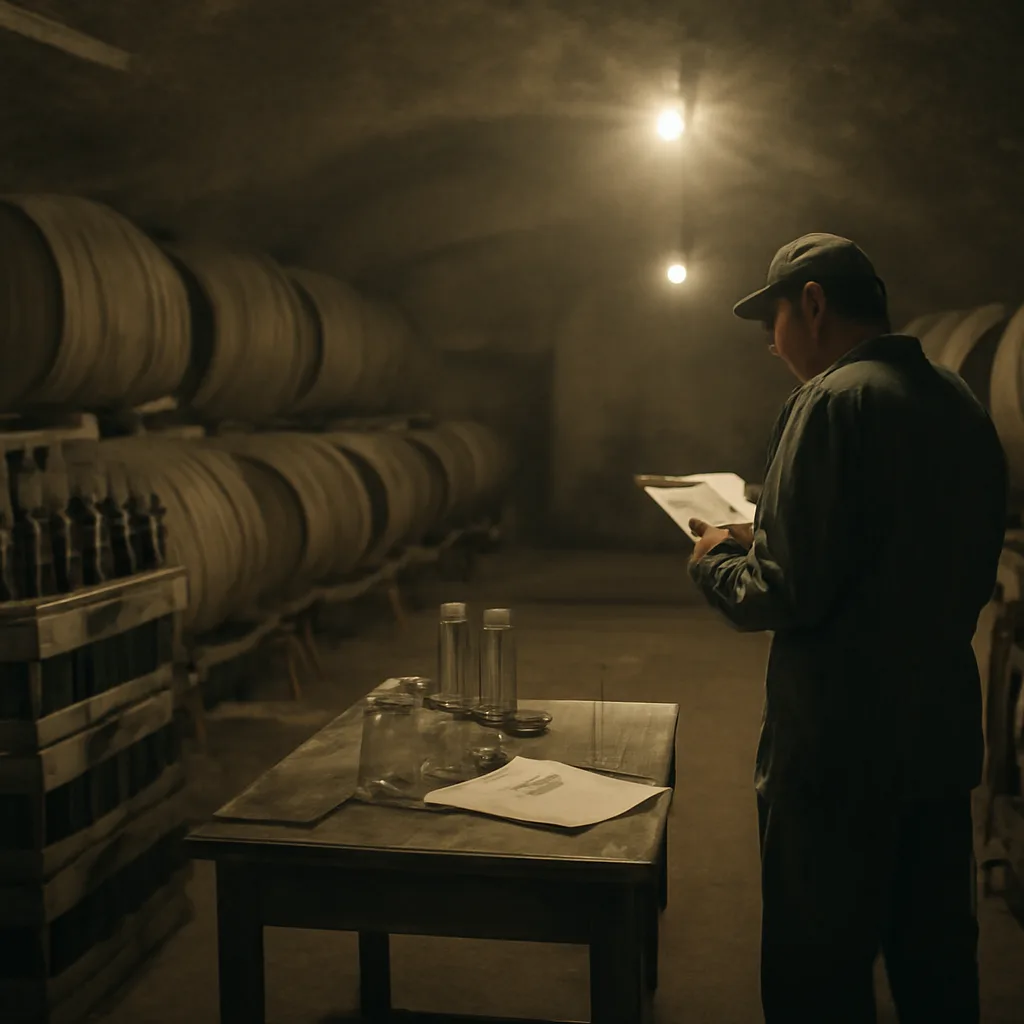
1985 European Poisonings Linked to Contaminated Wine Musts and Brandy
In late August 1985 health authorities across parts of Europe reported a cluster of severe poisonings traced to industrial alcohols illicitly added to wine musts and some brandies, prompting recalls, investigations, and renewed regulation on denatured alcohol controls.
In August 1985 public health agencies in several European countries detected a surge of severe poisonings and deaths associated with consumption of adulterated alcoholic beverages. Investigations by national authorities and police found that industrial methylated spirits and other denatured alcohols — containing toxic additives such as methanol or industrial solvents — had been diverted into the production of wine musts, low-cost table wines, and some brandies sold in affected regions. These contaminants caused acute metabolic and neurological toxicity in consumers, producing blindness, organ failure and fatal outcomes in a number of cases.
The incidents prompted coordinated responses: emergency clinical guidance for diagnosis and treatment was issued by hospitals treating affected patients; epidemiological inquiries sought to identify distribution chains and sources; and regulatory bodies moved to strengthen controls on the sale, storage and denaturing of industrial alcohols. In several countries authorities ordered recalls of implicated products and increased inspections of small-scale wineries and distillers where illicit blending was suspected. Public advisories warned consumers to avoid unlabelled or unusually cheap spirits and to seek immediate medical attention for visual disturbances, nausea, vomiting or confusion after drinking alcohol.
Medical reports from the period describe methanol poisoning as a principal mechanism of harm. Methanol is metabolized to formaldehyde and formic acid, which can cause metabolic acidosis and optic nerve damage; timely treatment with fomepizole or ethanol, along with supportive care and hemodialysis when indicated, can reduce morbidity and mortality. Access to appropriate antidotes and dialysis capability influenced outcomes for patients in different regions.
The 1985 events highlighted vulnerabilities in supply chains for denatured and industrial alcohols, as well as economic pressures that sometimes drove illicit blending to create cheaper alcoholic products. Law-enforcement investigations focused on diversion of industrial spirits, illegal denaturing or re-purposing of ethanol intended for non-consumptive uses, and distribution through informal markets. Some prosecutions and seizures followed, though the scale and legal outcomes varied by country.
Longer-term impacts included tighter regulation and monitoring of industrial alcohols, clearer labelling requirements, and public-health campaigns about the dangers of consuming unregulated or home-produced spirits. The episodes also reinforced clinical awareness about methanol and other toxic alcohols as causes of acute toxicity after beverage consumption, shaping emergency protocols.
Historical accounts of the 1985 poisonings are based on contemporaneous public-health bulletins, news reporting, and medical literature documenting clusters of toxic alcohol ingestion in Europe that year. Exact numbers of cases and fatalities differed among countries and in some instances remain variably reported in sources from the period; where official national tallies exist they should be consulted for precise figures. Nevertheless, the 1985 incidents are regarded as an important example of the public-health risks posed by contamination of consumable alcohol with industrial or denatured spirits and the need for regulatory vigilance.