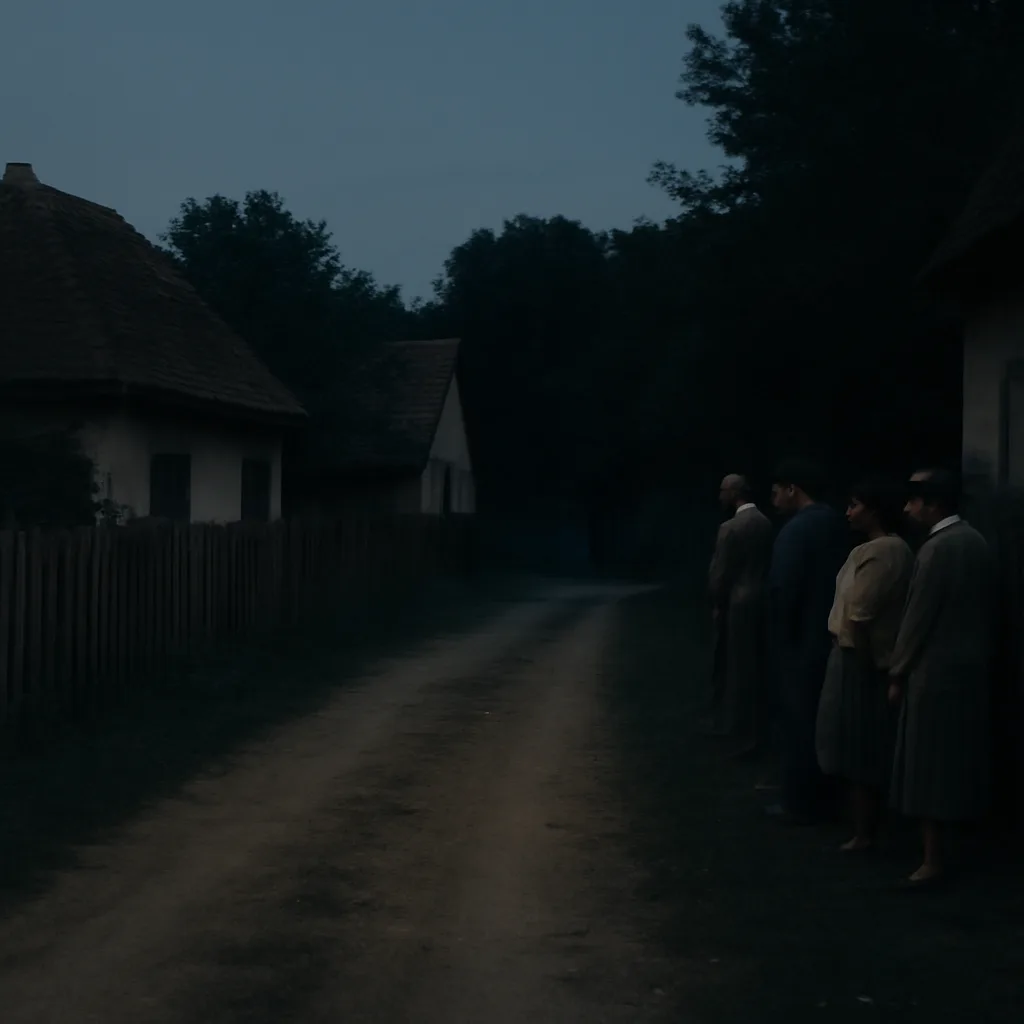
On August 23, 1976, several residents of a rural village reported sighting an unusual creature. Accounts collected in local newspapers and later oral histories describe multiple witnesses reporting similar features and behaviors, leading to a sustained local discussion about whether the sightings reflected a single event, shared perception, or the spread of a story through the community. What was reported Witness descriptions vary in detail but several elements recur: the creature was said to be roughly human-sized, seen at dusk near the village edge, and described as having an unusual gait or posture. Some accounts emphasize odd markings or coloring; others focus on the animal-like movements. Reports came from people who encountered the figure alone and from small groups who claim they observed the same entity at the same time. Contemporary record and limitations Documentation from the period consists mainly of regional press coverage, police notes limited to calls about a disturbance, and later recollections collected by local historians. There is no known official forensic record linking all accounts to a single physical trace (for example, photographs or biological samples). The available sources are uneven: press reports summarized witness statements, police logs note calls but recorded no arrests or recovered evidence, and memory-based accounts collected later can be affected by time and retelling. Possible explanations Analysts and writers who have examined similar cases typically consider several categories of explanation: misidentification of known animals (wildlife seen at unusual angles or under poor light), optical or perceptual effects at dusk, collective reinforcement of a story within a small community, prank or deliberate hoax, and—less provably—reports of something genuinely anomalous. For this specific 1976 incident, no conclusive identification was published at the time. Local observers and subsequent writers have offered differing interpretations but no single explanation is universally accepted. Community response and legacy The event remained a point of local interest in the years after 1976. Some residents treated the reports as a curiosity and a source of storytelling; others expressed concern about safety or embarrassment over attention. Over time the incident entered the village’s oral history and has been referenced in local histories and retrospective articles. Because primary-source material is limited and partly anecdotal, the story’s details—precise descriptions, timing, and number of witnesses—are subject to dispute among those who later recounted it. Context Reports of multiple witnesses describing similar creatures are not unique to this village or year; similar patterns appear in folklore, misidentification cases, and contemporary unexplained-sighting reports. Historians and folklorists caution that small communities are particularly susceptible to rapid dissemination of a compelling narrative, which can shape how events are remembered and reported. What remains uncertain Key uncertainties include the exact number of independent witnesses, whether all accounts describe the same moment or a sequence of separate encounters, and whether any physical evidence existed that could have been examined. Because no definitive contemporaneous scientific or forensic follow-up is recorded in public sources, the incident remains documented chiefly through newspapers, police call logs of limited detail, and oral testimony gathered later. Conclusion The August 23, 1976, village reports describe multiple people seeing a similarly characterized creature, but the historical record is fragmentary. While the event is verifiable as a well-documented local episode of reported sightings, its interpretation—misidentification, communal storytelling, deliberate hoax, or something else—remains unresolved based on the available public documentation.